What Are Endotoxins and Why Is Testing for Them Important in Research Peptides?
- Imperial Peptides
- 52 minutes ago
- 2 min read
What Are Endotoxins and Why Do Researchers Test for Them?
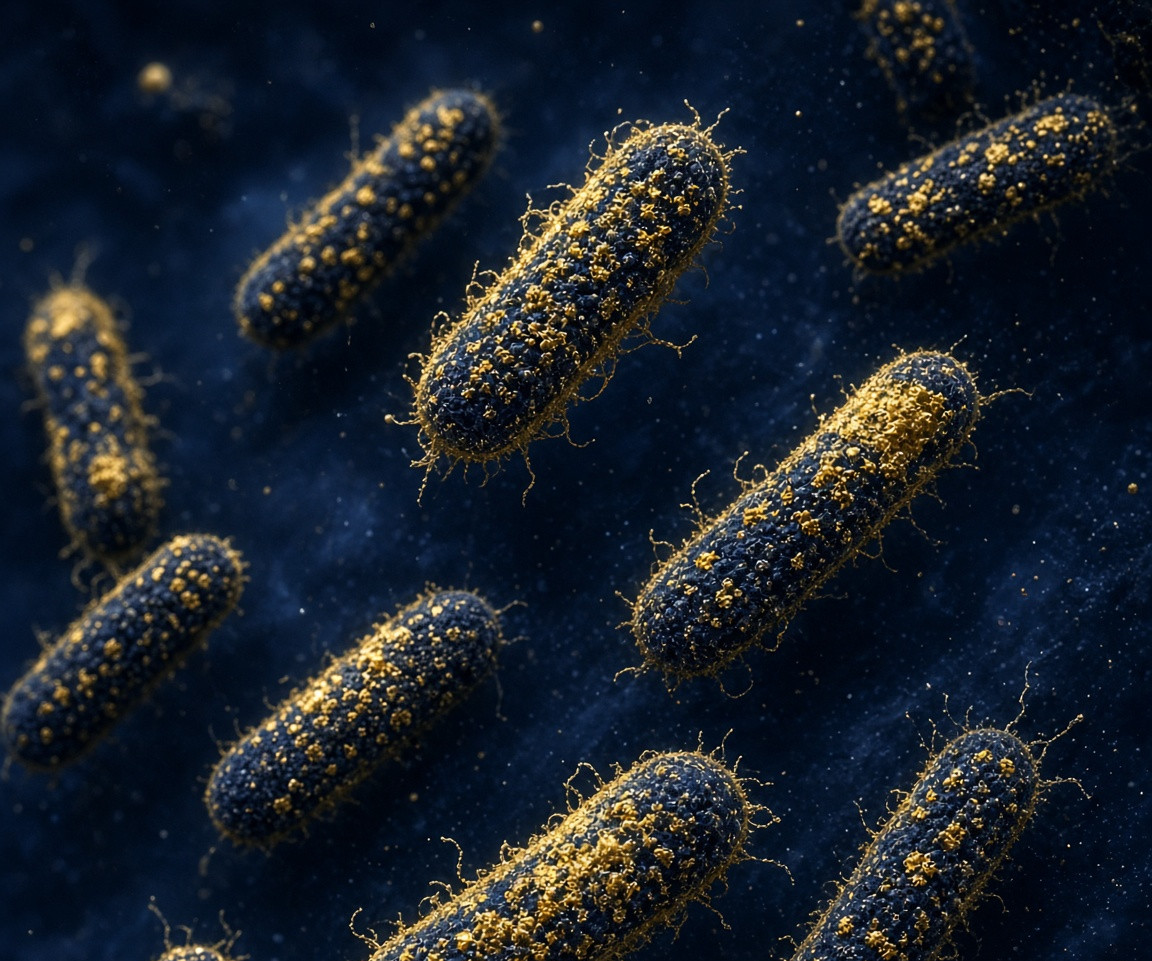
Endotoxins are leftover pieces from certain bacteria, mainly Gram-negative bacteria. Even after the bacteria themselves are destroyed, these pieces can remain because they are very stable and hard to break down with heat or normal cleaning methods.
In research peptides, endotoxins can sometimes enter the material during manufacturing or handling. This can happen through water, solvents, equipment, or containers that are not completely free of bacterial residue.
Why This Matters in Research
Endotoxins can interfere with research specimens. In cell-based experiments or sensitive laboratory tests, even small amounts may:
Change how cells grow or behave
Trigger unwanted responses in the sample
Create background noise that makes results harder to read
Reduce consistency between different experiments or batches
When researchers study a peptide, they need to be confident that any effects they observe come from the peptide itself and not from bacterial leftovers. Testing for endotoxins helps reduce this risk and supports more reliable data.
How Endotoxin Testing Works
Most labs use a test called the LAL assay (Limulus Amebocyte Lysate). This test detects endotoxins by measuring a specific reaction that only occurs when they are present. Results are usually reported in Endotoxin Units (EU) per milligram or per vial.
Some laboratories also use newer recombinant methods that do not rely on animal-derived materials. Independent third-party testing is often preferred because it provides an unbiased result that can be included on a Certificate of Analysis.
Bottom Line
Endotoxin testing is a standard quality control step for research peptides. Along with purity and identity testing, it helps researchers choose cleaner materials and produce more trustworthy experimental results in the laboratory.


Comments